Burnett Koala Program
Genetic Scat Testing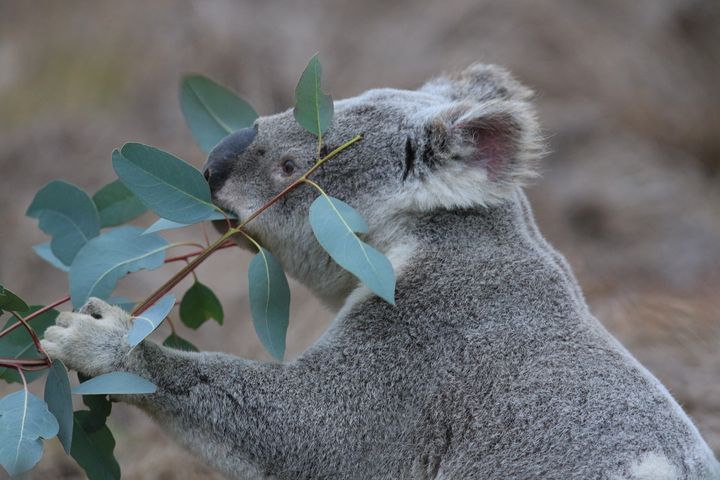
2023 – 2024
Investment: $206,451
Funding body: Queensland Government; Department of Industry, Science, Energy and Resources under the Koala Community grants program
Project purpose: Better understand population dynamics and health of inland Burnett koalas through non-invasive scat testing
Key achievements:
-
-
-
-
- Over 750 observations recorded
- 62 scat samples analysed
- 696 individual koalas were recorded
- 718 citizen scientists engaged
- 800 students participated in STEM-related activities
-
-
-
A community-led multi-stakeholder collaborative project aimed at better understanding population dynamics and health of inland Burnett koalas. This will help to better inform sound management of koalas and their habitat and help ensure their survival, conservation and recovery.
This project was a region first and will develop a baseline dataset of koala population dynamics and health via the DNA testing of scats, non-invasively collected by the community. It built upon and extended previous BCCA citizen science engagement and activities including the recording, collating and sharing of incidental koala observations across the region.
The Burnett Koala Program achieved significant benefits for koala conservation and broader environmental efforts in the Inland Burnett region. The program collected baseline data for koala populations, a first for the region, through over 750 observations and DNA analysis of 62 scat samples. This data provided crucial insights into koala distribution, genetic diversity, and health across the region.
A total of 696 individual koalas were recorded over the two-year project period, significantly contributing to understanding population trends and aiding future conservation planning.
The program engaged 718 citizen scientists, training them to identify and document koala activity. Their contributions enriched data collection efforts and fostered community involvement in conservation.
Approximately 800 students participated in STEM-related activities, increasing youth awareness of environmental conservation. The program delivered nine workshops and events, exceeding the initial target of three, and reached 444 participants across three local government areas in the Inland Burnett region.
Collaboration with organisations such as CSIRO and contributions to databases like WildNet and the Atlas of Living Australia supported regional and national conservation objectives.
Findings from the Inland Burnett Koala Population Study, revealed that the region’s koala population exhibited unique genetic diversity and low disease prevalence, signaling its potential importance for breeding and conservation efforts. However, the study also highlighted habitat fragmentation, emphasising the need for continued habitat restoration and connectivity initiatives.
The Inland Burnett Koala Population Study, can be found in the resources below.
Resources


Program News

Program Sponsors
This project was supported by the following partners and investors.