
Powering Pastures
Year: 2025
Program: NRRP3
The People

Dane and Rachael Lehmann are owners of the Lehmann Cattle Company at Tansey in the Burnett River catchment. With help from their four school aged children, they run a fulltime cattle breeder operation which partly includes irrigated fodder production next to Boonara Creek.
The Opportunity

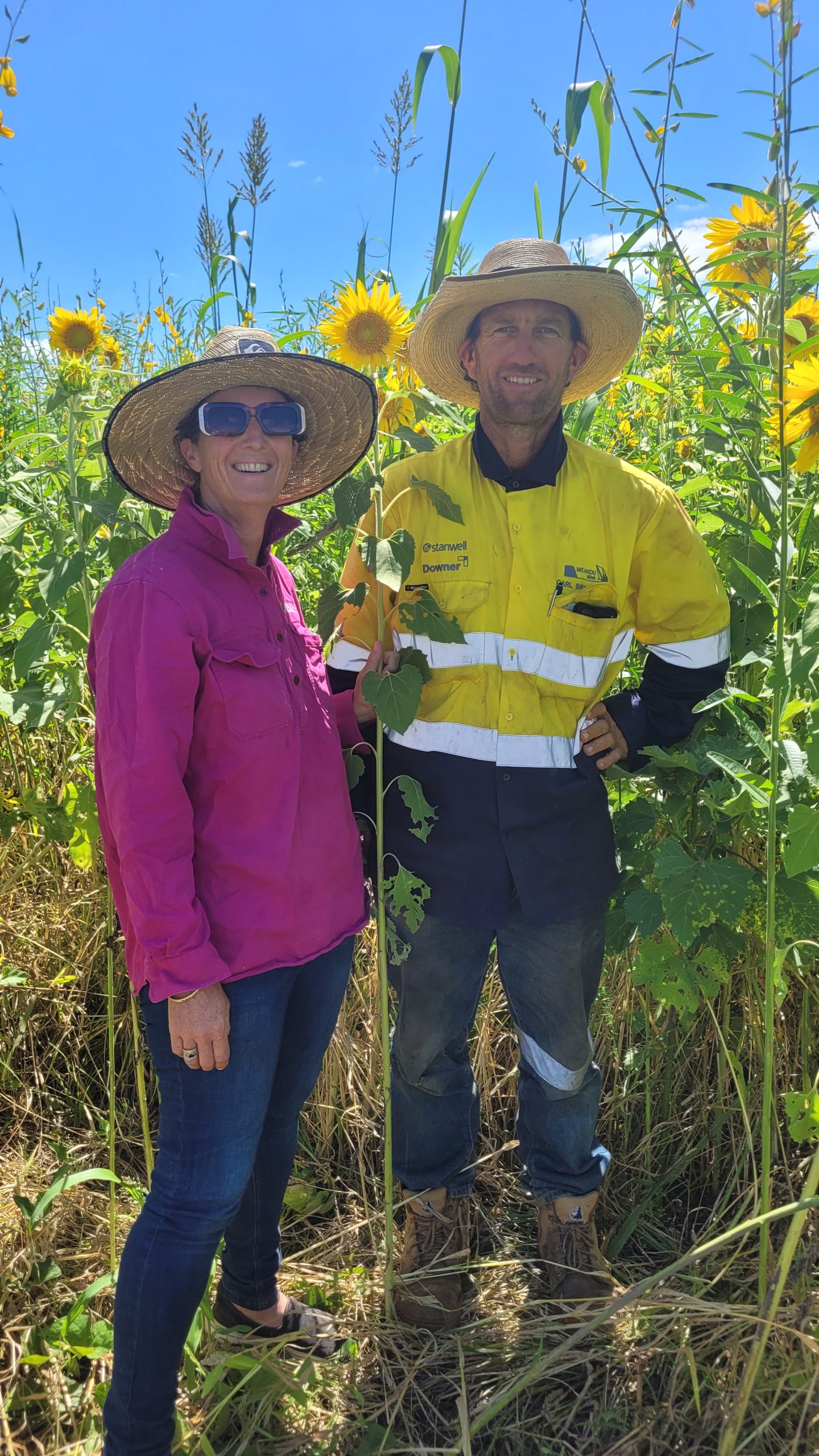
Through the world of healthy lifestyle, wellbeing and striving for a clean nutritious diet the Lehmanns have challenged themselves to produce the best quality pasture raised beef. A key component of their approach has become a focus on soil health as the basis of a healthy nutritious pasture which contains choice and variety for their cattle (increased plant diversity). They are also testing an increase in number of paddocks to allow herd rotation resulting in longer recovery periods from grazing for their pasture.
The Learning

In spring 2024, the Lehmanns compared their traditional millet with a multispecies crop. With very wet conditions, neither crop was irrigated and inputs were minimal; no fertiliser for the millet and no microbial treatment for the multispecies, apart from a small chicken-manure test strip.
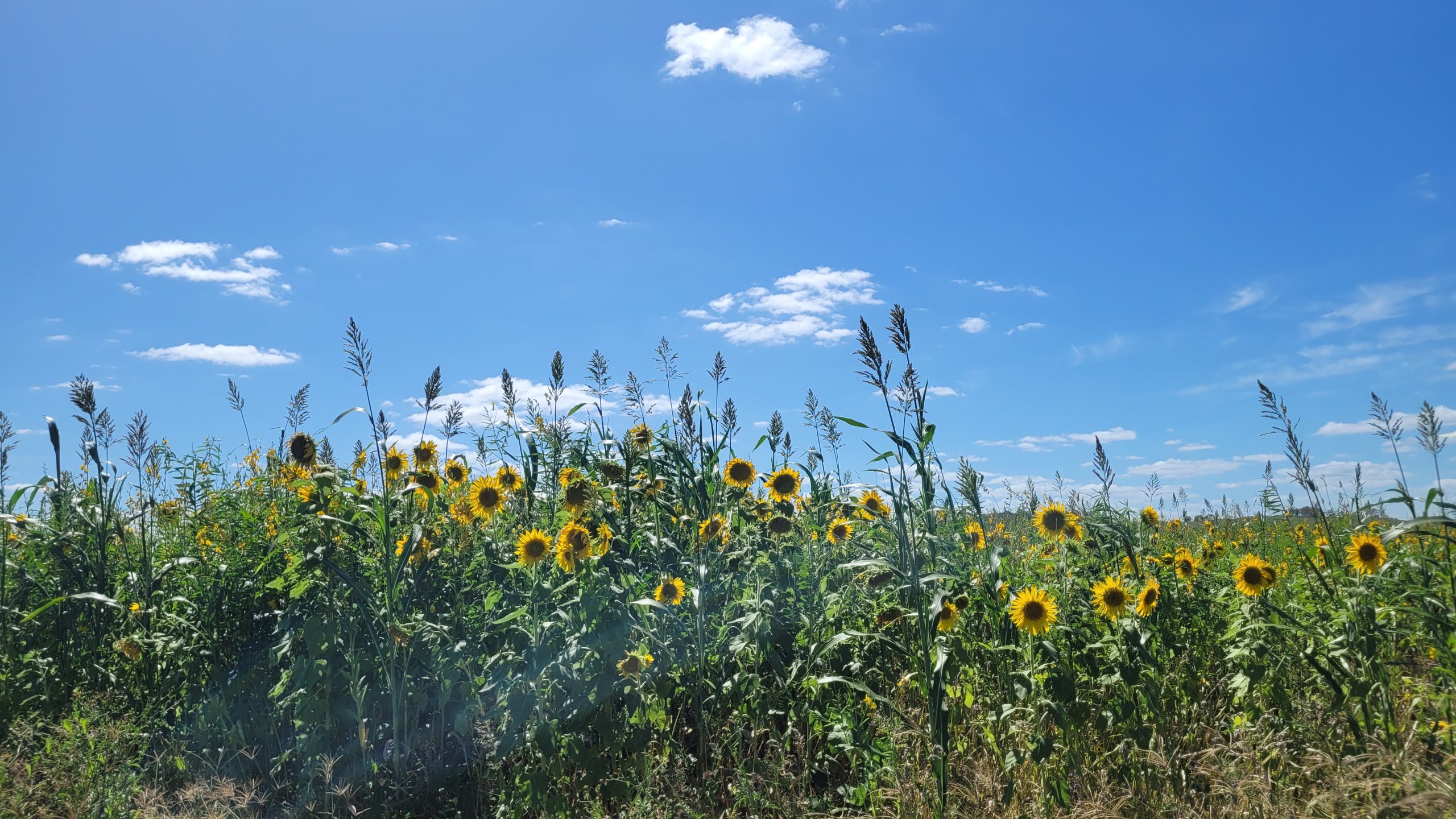
The millet performed similarly to previous years, with an estimated yield of 6-8t DM/ha and good to average quality. All species in the multispecies mix established well, yielding an estimated 10-12 t DM/ha. Cattle grew well on both paddocks, with no difference between the two mobs. The millet paddock finished in late summer, while the multispecies paddock continued to provide grazing through late autumn.
On-Ground Insights

As part of their on-farm trial they are monitoring each paddock including pre-trial soil testing with follow-ups. This monitoring is intended to compare the two approaches for land managers and does not have the rigour of a full scientific trial.
A microBIOMETER® indicated higher microbial levels and a greater fungal-bacteria ratio in the multispecies areas. Brix readings taken mid to late season were also higher (10-15%) in the multispecies crop compared to 5-10% in the millet. Both measures suggest improved soil and plant health in the multispecies plots. They also noted better soil structure in the multispecies areas, with softer, more friable soil that required less preparation for the next crop.
The main drawback was the higher cost of multispecies seed, though the observed benefits encouraged the Lehmanns to continue trailling it. Cheaper seed options would further improve the financial viability of multispecies crops.
The Next Step

The Lehamnns are participating in the Property Management Planning process with BCCA under the Sustainable Landscapes across the Inland Burnett project with hope to prioritise actions for further improved grazing management on their property. This project is funded through the Queensland Government’s Natural Resources Recovery Program.
The Lehmanns intend continuing trialling multispecies for the next few seasons and wherever practical comparing a single species approach with multispecies so they can monitor the costs verses benefits. In their non-irrigated perennial pasture area Lehmanns are establishing a rotational grazing comparison to assess this approach verses a set stocking regime.
Combined with multispecies in their irrigated areas and a regime of controlled grazing with pasture recovery in their perennial pasture the Lehmanns are aiming for a more productive beef operation which has benefits for their soil, land, cattle and human health.
Program Sponsors
This project was supported by the following partners and investors.