
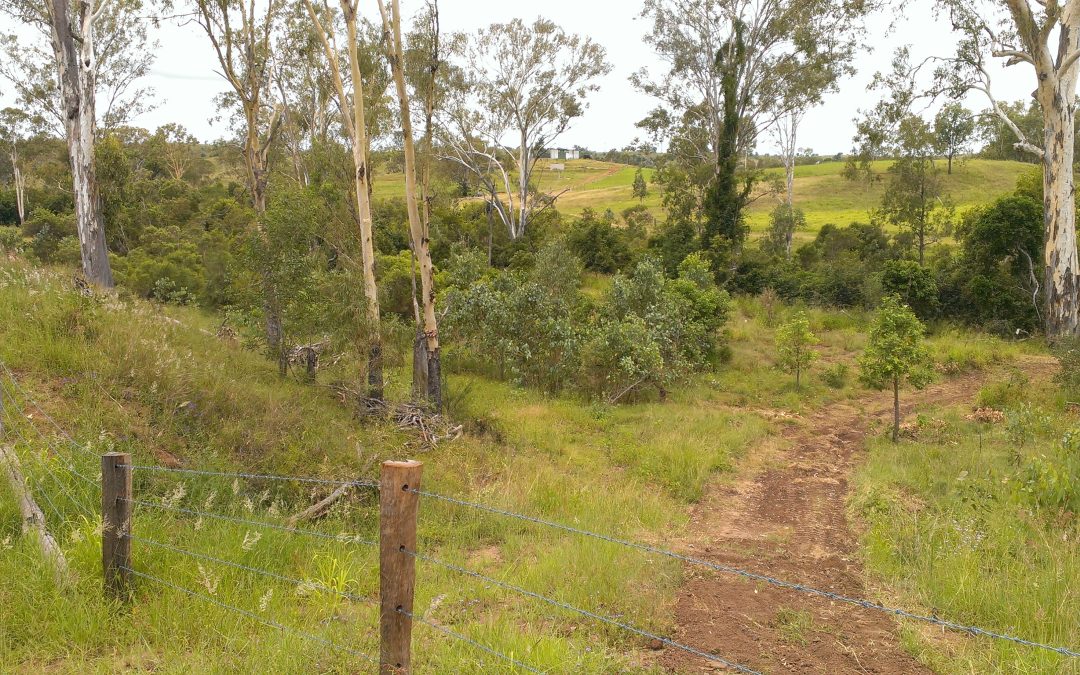
Riparian land is the land that adjoins rivers, creeks, estuaries, lakes, and wetlands. The health of the native vegetation in these areas is vital for maintaining habitat, water quality and bank stability. A healthy riparian zone acts as a natural filter, keeping sediment and nutrients out of waterways, while creating a cooler, more stable microclimate that benefits both stock and wildlife.
However, these sensitive areas are easily degraded by unmanaged stock access, which can lead to erosion, vegetation loss and declining water quality. One of the most effective ways to protect riparian zones is through fencing and the installation of off-stream watering points. By managing stock access, landholders can allow riparian vegetation to recover and thrive, improving the resilience of their land and water systems.
For landholders, the benefits extend well beyond environmental gains. Research and local trials have shown that stock drinking from clean, piped water sources can experience improved weight gains and overall health. Fencing also allows riparian areas to regenerate, creating a valuable fodder reserve that can be selectively utilised during dry times. The result is a more productive, sustainable and adaptable farming system.
Through BCCA’s Community Sustainability Action Grant project, Fence and Flow: Protecting Brigalow Belt Watercourse Ecosystems, landholders across the Brigalow Belt bioregion are taking proactive steps to fence off riparian areas and install off-stream watering systems. These efforts are helping to protect vital waterways, enhance biodiversity and secure long-term productivity for farms across the region.
The project is coordinated by the Burnett Catchment Care Association through funding support from the Queensland Government’s Community Sustainability Action grants program.