Better Catchments - Grazing & Cropping
2015 – 2018
Investment: $554,071
Funding body: BMRG through the National Landcare Program Regional investment
Project purpose: Increase the skills and knowledge of landholders in the Burnett region for adoption of improved land management practices through one-on-one extension, small grants and workshops and training
Key achievements:
-
-
-
-
- 74,812 ha of improved land management practices with 128 landholders
- 28 capacity building events
- 474 primary producer participants at events
-
-
-
The final 3 years of BMRG’s Better Catchments Grazing and Cropping components were delivered by BCCA with Private Forestry Services Queensland (PFSQ) delivering the Native Forestry component. The project provided extensive one-on-one extension and support to graziers, croppers and native forestry producers across the Burnett Mary region.
The program worked with 128 landholders, improving land management practices across an impressive 74,812 hectares—well above the original 3,600-hectare target.
For grazing enterprises, improvements were achieved across more than 43,000 hectares. Landholders adopted practices such as pasture monitoring, rotational grazing, land type fencing, and riparian management. These measures have enhanced ground cover, reduced erosion, improved water quality and encouraged more sustainable grazing systems. Investments in infrastructure, including new watering points and sub-divisional fencing, helped to spread grazing pressure and protect vulnerable areas.
In cropping, activities covered 3,554 hectares across 52 enterprises. A major achievement was the widespread adoption of soil testing, which supported more efficient nutrient use while protecting water quality. Growers also invested in precision agriculture, such as GPS-controlled traffic farming, modified planting equipment, and on-farm weather stations, improving input efficiency while reducing chemical drift, runoff and soil compaction.
Native forestry activities were undertaken across 27,946 hectares, with landholders implementing better firebreak planning, thinning practices, weed control and improved road construction. These measures are contributing to healthier tree stands, stronger groundcover, reduced erosion risk, and long-term sustainable timber production.
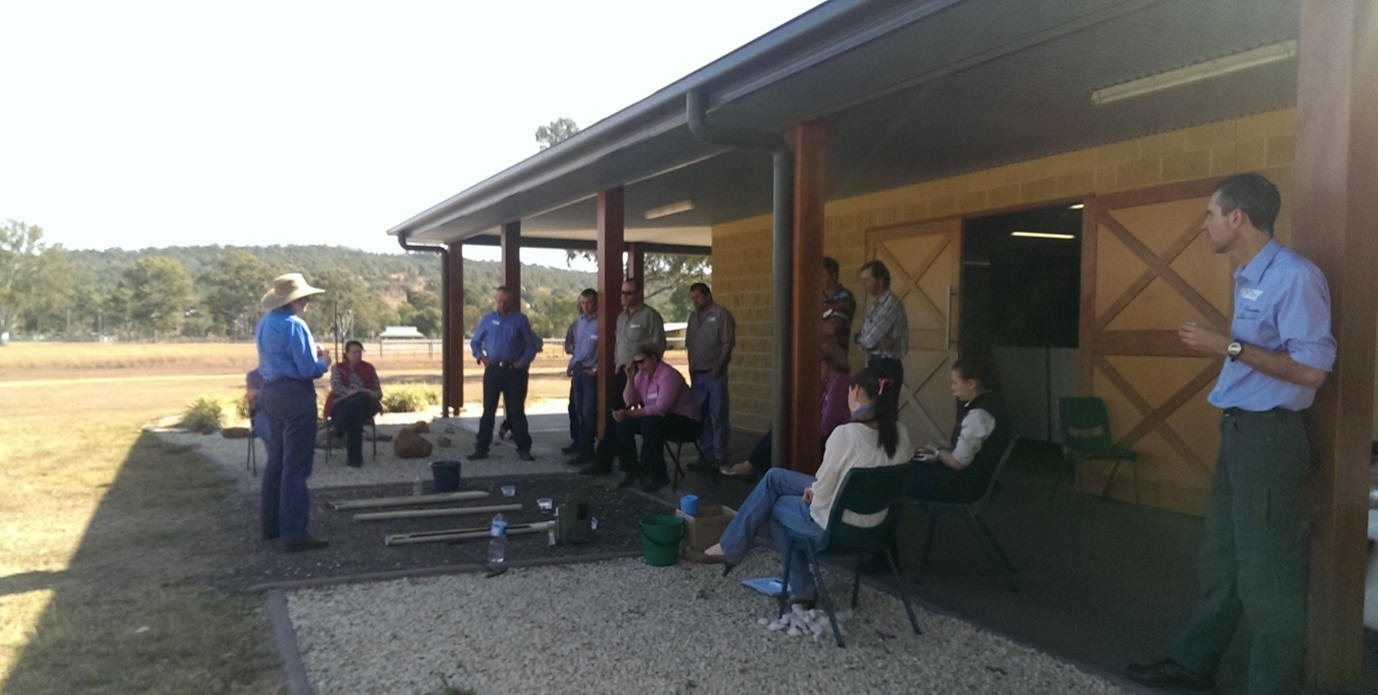
Beyond on-ground works, the program placed strong emphasis on building producer knowledge and skills. Twenty-eight capacity-building events were held—13 grazing, nine cropping and six forestry workshops—reaching 474 primary producers, far exceeding the target of 100. Importantly, nearly half of workshop attendees were new to the program, while one-quarter participated in multiple events, reflecting both community interest and the program’s value.
The program also fostered leadership, supporting seven women in agriculture to strengthen their skills and networks.
Through its mix of practical support, training, and leadership development, the Better Catchments program delivered lasting improvements for landholders and the wider catchment. The outcomes demonstrated the commitment of local producers and the effectiveness of collaborative extension and support in driving positive change for agriculture and the environment.
Program Sponsors
This project was supported by the following partners and investors.